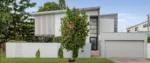
Whether it’s a home renovation, adding a second floor, installing a new kitchen, or extending the garage, these seven tips will help save time and money. (First release in September 2020 and rewritten for 2025.)
Renovating a house can be daunting and exciting. Planning an extension and understanding the process has a big impact on the final result. Renovation planning is a comprehensive process that includes budgeting, selecting finishes, and coordinating professionals, and it can make all the difference in achieving a successful outcome. Do your research and know what to expect to get the home renovation you want.
Despite the challenges, carefully planning your home renovation is a truly rewarding experience, offering personal satisfaction and a sense of accomplishment.
1. Why You’re Renovating Your Home
Think about your motivation behind your renovation or extension. Is it to have more space? Perhaps to put your stamp on your home? Careful renovation planning can help you achieve your dream home, turning your existing home into the ideal space you’ve always wanted while enjoying the benefits of improving your existing home rather than building new. Renovating an old Queenslander to a Hampton’s style home? Maybe buying a smaller house and doing a home extension is the best way to get a bigger house on the Northern Rivers or the Gold Coast. Making improvements to your own home allows you to tailor it to your needs and lifestyle with careful planning.
2. Do your research
Don't underestimate the amount of research you'll need to do to get this right. Start by looking into the maximum prices for similar houses in your area—what are buyers really willing to pay? How long do you plan to stay in the home after you've renovated it?
Here's the thing: adding an extension or renovating a house can make it worth way more than it originally was—which is great —but it also means it might end up being worth over $2m.


Yet, the median house price for the area is rarely even breaking the $1.5m mark. And don’t even get me started on structural stability - if you’re planning to add an addition, think carefully about the roof structure. Is it strong enough to support the extra load? Will new parts of the roof intersect with the old ones without issue? You might need to replace the roof entirely, or just update certain parts. When working with older properties and extensions, it's crucial to identify any hidden structural issues that could impact renovation costs and planning. Also, keep in mind that structural changes to the dwelling may require approval to ensure safety and compliance with local building codes.
If your renovation is located on a site with super-tight access, you’ll need to sort out how you’re going to get all that heavy machinery in there, or all that building material. And don’t forget the soil type - that can give you a pretty good idea of what plants are going to do well in your garden area, and vice versa. Costs can vary depending on factors like climate, building type, and specific site conditions.
 Lots of people renovating their house (especially if they’re adding an extension) want to install all sorts of systems tailored to their lifestyle and energy usage—like updating heating, cooling, and solar electricity. Focus on key areas such as lighting, appliances, and heating/cooling for the best results. That’s the time to look at energy efficiency, too—like installing energy-efficient appliances and efficient lighting, or upgrading to more efficient lighting to reduce energy costs. Replacing outdated hot water systems with more efficient models can also help save money on utility bills. Improving the thermal comfort of your home with insulation and smart design choices can also make it way more comfortable and way more sustainable. These upgrades can lead to significant energy savings and lower long-term energy costs. You should also think about water consumption, especially if you’re doing a bathroom or kitchen renovation. Remember, meeting minimum thermal performance benchmarks is necessary for building approvals.
Older properties can sometimes be a bit… lacking in space. If that’s the case, an extension is probably the way to go. Optimising living space and getting in some clever built-in storage solutions can make all the difference. Just be aware that the cost of an extension can vary widely, depending on factors like the size of the extension, how many storeys you go up, and the build quality. It’s also super important to match the extension's design and style to the existing property—you want it to blend in. Creating outdoor living spaces and outdoor areas, such as decks or patios, can further enhance your home’s value and functionality.
3. Contacting a home renovation builder to get estimates
Once you’ve got a solid idea of what you want to do, it’s time to get some costs. First, have a look at some other renovation projects and see what they involved and what went wrong. Search for local builders and have a look at their websites - what kind of work do they do? Do they have a gallery of work? Are their customer testimonials glowing? All this will give you a good idea of whether they’re the right people for the job.
When getting estimates, make sure to establish a realistic budget based on the quotes you receive. This will help ensure your project stays on track and avoids overspending.
Once you’ve found a company you think might be a good fit, give them a call or send them an email. If you’re on the Gold Coast or up in the Northern Regions of NSW, we’d be happy to help out - give us a shout. You should have a chat with a reputable building company — one with experience in managing complex projects—so they can help you decide whether to have a project manager on board for the bigger renovation jobs. They can give you helpful advice and a reality check on how feasible your project ideas are.
When considering professionals for your renovation, you might also want to consult a building designer. A building designer can help with residential renovations, offering design solutions and documentation, and may be a suitable choice if you don’t require the full services of an architect. Be sure to verify their credentials and compare their scope of services with those of architects and draftspersons to determine the best fit for your project.
You might also want to get in with an interior designer, that way you can make sure the design and finishes are in line with what you’re after and add value to your renovation project as well.
4. Sort out your budget
Get all the figures together - the estimate of the work, the cost of hiring professionals, removals or if you need to rent a place temporarily while the work’s being done, and snag some new furniture. Some homeowners are renovating for profit, so it’s crucial to focus on value-adding improvements that align with market demands and maximise your return on investment. Don’t forget to add 10 per cent on for when things inevitably go a little awry. The grand total is your actual budget you need. It’s really important to sort out a detailed renovation budget right from the get-go, and having detailed plans is essential for accurate cost estimation and financial control. This helps you avoid any nasty surprises down the line and keep your project financially sound.
You may need to make a few adjustments to your project at this stage to make sure it all fits in with your budget and what you’re after. To save cash, you could use cheaper materials, get stuck in with some DIY tasks, or plan ahead to avoid unnecessary expenses. Oh, and don’t forget to factor in council permits - it’s a regulatory thing, and you’ll want to be on top of that to avoid any unexpected bills.
5. Permissions
 You’ve got to jump through a bunch of hoops when you’re looking to do a house renovation. It’s super important to get everything in order with building and planning regulations to avoid any holdups or legal problems down the line. For structural renovations, you will need to obtain a building permit to ensure compliance with safety standards and local building codes. Securing the necessary council approvals is also crucial to ensure compliance with local regulations, avoid fines, and prevent project delays. If you work with a good builder, they should be able to help you navigate it. As a general rule, it’s best to check in with your local council to see what specific requirements are in your state—everyone’s slightly different. You’re going to have to get your approvals and permits in order before you start any work. It’s a good idea to have a private certifier on hand; they might be able to sort out some things for you a bit more quickly or with a bit more flexibility. Your state planning authority should be able to help out with any questions you have about getting approvals and make sure you’re doing everything by the book.
If you’re doing a major renovation or extension, you’ll probably have to submit a development application to the relevant authority. Projects like bathroom renovation, especially when structural changes are involved, often require a building permit and council approvals. Just to be safe, make sure your renovation meets the bare minimum when it comes to thermal performance, and you might want to get an accredited energy assessor to check over your plans and give you some expert advice.
6. Who will manage the project
The idea that anyone can just go ahead and manage a building project themselves, like in those reno shows on TV, is a total myth. It's a big job that requires a lot of organisation, and if you’re not experienced, it can easily get way out of hand. You could end up with a bunch of different tradespeople all over the place, and things might take a lot longer and end up costing a lot more than you thought. Most building companies will offer project management as part of the deal, which can definitely make the whole process less stressful & less expensive.
Also, make sure to check that your insurance policy covers the whole building during the renovation, not just the specific area being worked on, to avoid any issues if damage occurs elsewhere.
7. Getting started

Craig Preston, Master builder
You’ve done all your prep work, you’ve sorted out your builder, your plans are drawn up with a cost estimate, & your finance is sorted. Now you get to make all the hard decisions that really bring your renovation together. Are you planning to renovate a single room or the entire house? Who’s going to design the interior? What colour walls are you going to go with? What's the best flooring option? You get the idea. This is the fun part—where you really get to make your vision for your home come alive. Take some time to think it all through; it's an integral part of the process.
You can take a bit of time to hammer out all the details, get it all sorted in your head, and then have your renovation done and dusted, enjoying your new home. Risen Developments can help with all that. If you’re looking for a reputable builder on the Gold Coast or in the Northern NSW region, we’d love to help—give us a ring on 0404 RENOV8. We're confident we can make all your dreams come true.
If you're looking for clarity on the maximum setback distance to renovate or add an extension in the City of the Gold Coast, please review the council setback policies in the link above. If you need professional home renovation assistance, enquire online.
You need to do your research and get your planning right if you want a renovation that turns out as expected. Consulting with a local accredited energy assessor can help you optimise energy efficiency and ensure compliance with regulatory requirements, especially for renovations and extensions. Paying attention to market trends and making the right strategic choices will help you get the best return on your investment when you decide to sell. It's funny, but people say the key to a successful renovation is having a clear plan and sticking to it.
Read about the Top 5 benefits to Home Renovations and House Extensions.
Read about How much does it costs to do a Home Renovation in 2025