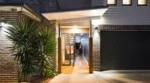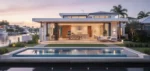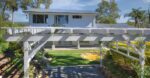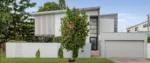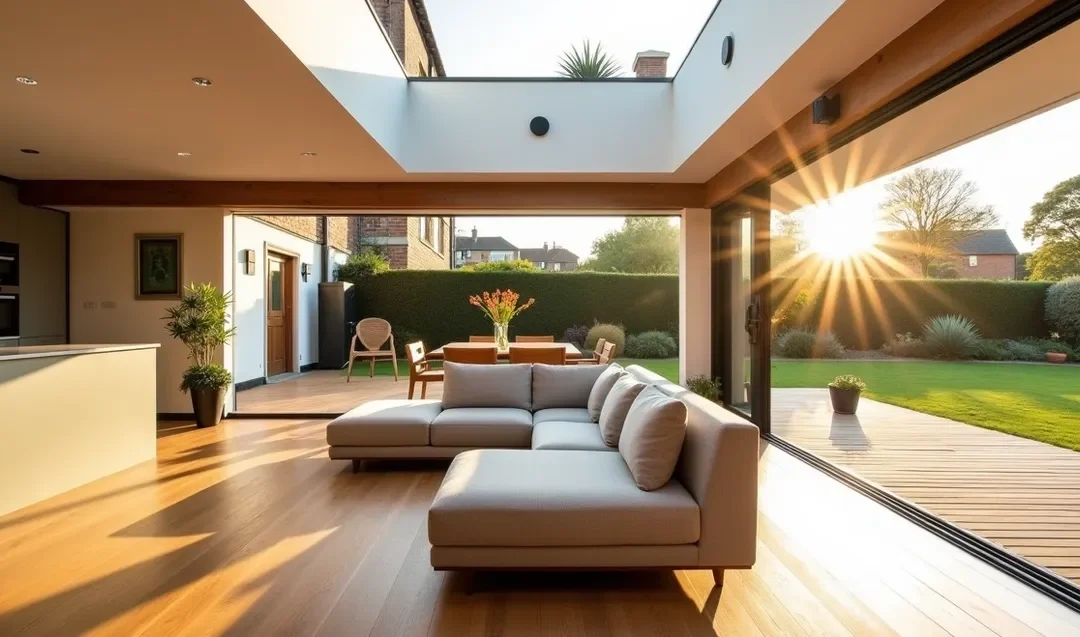
Modern house extension trends moving into 2026 are all about squeezing in as much bright, usable space as possible on a cramped plot of land. And let's be honest, they've also got to tackle the two major headaches most homeowners face: keeping costs in check and reducing that pesky carbon footprint. This article is going to walk you through the entire process of home extension ideas, doubling your living space without breaking the bank or making your new extension look like a failed experiment.
Understanding Your Space and Lifestyle Needs
The whole thing starts with getting a really good feel for how your house is currently laid out - and what you're going to need from it in the years to come. Get that right, and you'll end up with a space that still works for you and your family years from now.
Taking a Hard Look at Your Current Layout
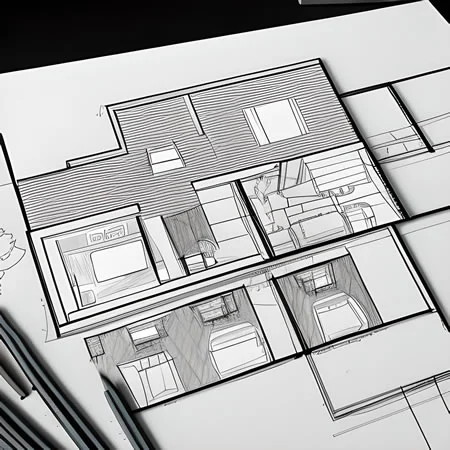 The first step to doubling your living space is to take an honest look at what's not working in your current house. Take a stroll through your home and note all the places where space feels a little tight or the layout doesn't feel right. Most people can spot places where the traffic flows badly, or where it's tricky to get from one room to another. You may even find your house has rooms that just aren't serving your lifestyle.
All these physical limitations need sorting out:
- Are you stuck in a built-up area where you can only build one story?
- Is it limited by planning regulations or a tiny outdoor space?
- Could a small rear extension be your only viable option?
As Benjamin McGriff - an architect with offices in San Francisco and Brooklyn - puts it: "It's really, really important to be crystal clear on what you want to achieve - both aesthetically and practically." When you know exactly what you're after, designers can come up with options that tick both boxes.
Thinking About Future Changes to Your Family or Work Arrangements
Modern extensions need to be adaptable, especially if you work from home now. That means setting up a dedicated office space, not just a corner of a bedroom. We all know what the pandemic taught us about the importance of versatile spaces that adapt to changing circumstances.
So what might change for you and your family? Will you be adding to your family and needing more bedrooms, or will you be having aging parents move in with you? How about teenagers wanting more independence within the home?
Further to future-proofing, we have secondary dwellings and multi-generational extensions to cater for larger or ageing families built within a single parcel of land.
As for home office extensions: spaces need to be quiet and distraction-free if you're going to get any work done there. Home workspaces for multiple people are especially tricky: "If you've got more than one person in your household working from home, it's even more critical that you can each have the peace and quiet you need to get on with your job," advise experts in the know.
Working Out What You Need Your Extension to Do
A clear picture of your constraints and future plans will help you nail down what you want your extension to achieve. This might mean more space for a growing family, a rental unit, or that all-important home office.
Craig Master Builder says, "Sometimes people think all they need is a brand-new family room without thinking about how that space will fit in with the rest of the house". Extension projects often have a ripple effect, which means you'll need to sort out other rooms or upgrade your whole house.
Here are some questions to help make up your mind:
- Do you want a more open-plan layout for family living?
- Do you need more bedrooms and utility rooms?
- Does natural light need to be a priority in your new space?
- Do you need this space to serve multiple purposes?
The thing is, designing with just the present in mind is likely to leave you facing tricky decisions - and a hefty bill - a few years down the line. The secret to a great home extension is finding that happy balance between meeting your needs now and laying the groundwork for your lifestyle to evolve in the years to come.
Choosing the Right Extension Design Style
The design of your extension is basically its visual identity - and it can either complement your home beautifully, or stick out like a sore thumb. Getting the right look is more than just following trends - it's about finding a style that works for your home and meets your needs.
Minimalist vs. Industrial vs. Coastal
Different design styles bring their own unique features to your extension:
Minimalist design takes the concept of simplicity to an art form. With clean lines, clutter-free spaces and careful colour choices, it strips everything back to basics and focuses on pure function. Modern materials like stainless steel, chrome and glass create really sleek, light-filled spaces that feel bigger than they actually are. With a palette of white, black and neutral colours, you can add a splash of bold colour here and there to liven things up.
Industrial design has its roots in old factories and warehouses, and it's all about showcasing raw, rugged materials like brick, concrete, and steel. As one designer notes: "Industrial design has always been celebrated for its edgy, functional vibe and exposed details". You'll typically see darker colours, such as deep greys and blacks, alongside the natural tones of the raw materials on show.
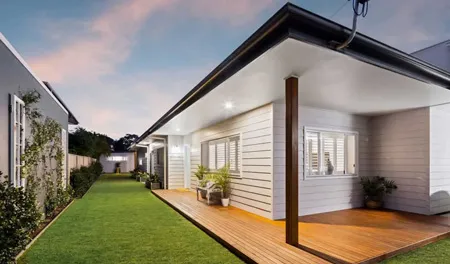 Coastal design has a long history in Australia, where it combines a laid-back vibe with practical sophistication. With 2026 just around the corner, this style is experiencing a resurgence - thanks to themes of sustainability, contemporary lifestyles and a renewed appreciation for getting back to nature. Australians are redefining the classic coastal look, moving away from the traditional white walls and rattan furniture and embracing a more natural, airy aesthetic.
Modern coastal home design incorporates natural features, spacious layouts and a fresh, breezy feel that embodies the tranquillity of the beach. Whether you live by the coast or love the style, there's a wealth of inspiration out there - just waiting to be explored.
How to Tie in with Your Existing Home
You've got two main options when combining old and new: go for a seamless look or make a bold statement. To go for a unified look, you need to really have a close look at the style of your home, take note of your rooflines, siding, windows, and trim - your new addition should echo those details. And don't forget, all the materials need to match - from siding to roofing to windows to floor transitions.
Making a bold contrast can be a real showstopper. Many architects now prefer this approach, especially with older homes. One specialist points out, "If you want to really make a design statement, modern extension ideas might be just what you need". The best contrasting extensions use materials that nod to the original building - but make it clear that they're new. "Hardwood batten screens can really soften up the rear of your home" or "dark zinc" can draw a clear line between old and new.
When it comes to scale and proportion, it doesn't matter which path you take - these are the things that make or break a balanced look. Even if your new extension is a different style from the old one, it needs to be the right size to look good.
Modern Home Extension Ideas that Add Real Value
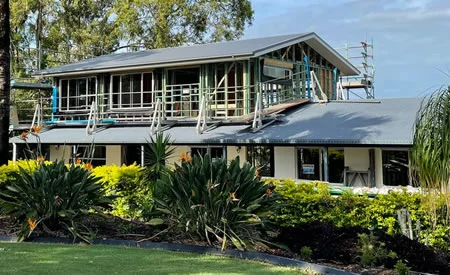 Some design choices boost both the look and value of your home. Using glass walls, skylights and sliding doors to flood your space with light and bring the outdoors in is one good choice.
Open layouts are always a winner when it comes to resale value - they're adaptable to changing needs, and create a sense of flow. Our design consultants put it like this: "Open-plan designs and linking corridors work a treat to create a smooth transition between all the different parts of your home".
Material choices don't just affect the look and feel of your space - they can also ensure it lasts longer and adds to the value of your home. "Using high-quality materials will ensure your extension is built to last - and it'll add to the look of your home too". On top of that, energy-efficient options are a real winner with potential buyers.
Getting indoors and outdoors really connected is key to expanding your living space. Our design consultant notes that adding a new dining area can create a real visual link to the garden - and that makes your whole home feel bigger and more flexible. Glass terraces, covered outdoor areas, and smooth floor transitions between inside and out make this effect even more pronounced.
The best extensions are the ones that improve both your daily life and the value of your home - and the top designs manage to do both without skimping on the details.
Making the Most of Light and Flow with Smart Layouts
Light and flow really shape our experience of home life. Making smart layout choices can turn even small extensions into bright, airy spaces.
Open-plan vs. Broken-plan Layouts
Open-plan living has been the big trend in extension design for decades - it creates spaces where kitchen, dining and living areas all blend together. "Open-plan is still one of the biggest trends in our homes - but open-plan layouts can also reduce your privacy and quiet spots".
Broken-plan design offers a compromise. It keeps the things you love about open-plan - but creates subtle divisions to give each room a bit of quiet and a sense of purpose. You can do this with:
- Half walls or partial dividers
- Split-level floors
- Strategic furniture placement
- Open shelving units
One of our designers puts it like this: "Broken-plan is all about keeping the good bits of open-plan, but letting each room have a bit of its own space". This works really well for families who need both shared spaces and private areas.
Getting More Light and Flow with Glass Walls, Skylights and Sliding Doors
Glass elements are a great way to bring in more light and improve the flow between indoor and outdoor spaces. A glazed wall with skylights can "flood your new extension with light" - and create a real connection to the outdoors.
Floor-to-ceiling glass is a real statement maker. "These doors let you change up your living space whenever you want - open everything up for a party or close the doors for a bit of peace and quiet". Frameless options give you unobstructed views over waterways and kids alike - and special hardware makes them safe and functional.
Skylights deserve a bit of extra attention, because they can bring in twice as much daylight as a window of the same size. They're perfect for bringing light deep into extensions where wall space is limited.
Linking Your Home with the Garden
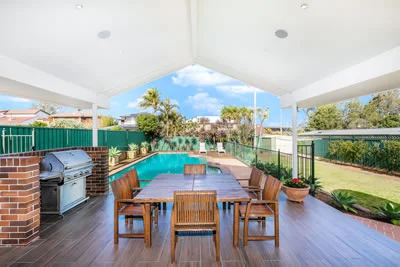 Single-storey extensions with large glass doors that open onto the garden are a great way to bring the garden closer to living spaces. "This works well, because the room doesn't have an additional door to the garden, just a window over the kitchen units. Having this area fully enclosed... really maximises the connection to the outside". Your garden becomes part of your living space.
Outdoor entertainment extensions exemplify this approach. These modern designs "are turning living spaces all over Australia into something truly special, offering homeowners a unique blend of style and functionality".
Tips for Orientation and Light Optimisation
Where you put your extension affects the light quality throughout the day. "Positioning new openings where they will catch the most daylight (typically to the north or northwest) ensures your extension gets the best of the sun". Simple shadow studies can help you find the best spots for windows and glass elements.
"Understanding the sun path and shadows across the site throughout the day is crucial". Australian homes face unique challenges: up to 40% of heat loss and up to 87% of heat gain occur through windows. So getting orientation right is vital. Light-coloured walls, polished concrete floors, and strategically placed mirrors can do a lot to fill a building with daylight. "Light-colored walls, polished concrete floors or mirrors that have been placed in the right spots can bounce daylight further into a building than you might think". These simple tricks often prove to be more effective than you'd expect at making the most of available light.
Incorporate Smart and Sustainable Features
Smart tech and eco-friendly features are now a must for modern home extensions.
Smart lighting, heating, and security systems
If you integrate smart systems into your extension, it can start to learn your lifestyle and respond accordingly. For example, a thermostat like Hive can learn your daily routine and adjust the temperature to use the least amount of energy while still keeping you comfortable. AI-powered security cameras can distinguish between genuine threats and false alarms using advanced facial recognition. These days, it's not unusual for an Australian. Households have upwards of 15 connected devices, so a platform like Amazon Alexa or Google Assistant can be a real game-changer for getting everything under one roof.
Eco-friendly materials and insulation
Using eco-friendly materials substantially reduces the environmental impact of your extension over its lifespan. High-performance insulation and special building envelopes can slash energy use by 10-50% each year compared to standard builds. Materials like recycled paper insulation, sheep's wool, and old denim also provide excellent insulation while remaining environmentally friendly. These choices can help keep your utility bills down and improve air quality inside by reducing emissions.
Energy-efficient glazing and solar integration
High-performance windows with low-e glass and argon-filled windows really help to reduce heat loss. Solar panels have become a lot more affordable and can boost your home's resale value while offering long-term benefits. Homeowners who invest in a 4kW system can expect to save around $570 per year.
Planning for future tech upgrades
By using open standards like Matter home automation, you can make your extension future-proof. This allows devices from Apple, Google and Amazon to all work together. The Thread wireless protocol also enhances the reliability of both new and existing systems. When you're designing your extension, it's worth thinking about how you'll upgrade your tech in the future by including cable conduits and extra power points where you might need them later.
Design for Flexibility and Future Adaptability
Modern home extension ideas tend to work best when they create spaces that can grow and change with you over time.
Multi-functional room ideas
Spaces can be really versatile and can adapt to changing needs. For example, a guest bedroom can double as a home office during the week, showing just how easy it is to change a room's purpose. Rather than limiting rooms to a single function, you can design areas that serve multiple purposes as your life changes. Kids' playrooms can become teenage hangouts or study areas with the right tweaks.
Modular furniture and movable partitions
Adaptable furniture is at the heart of flexible extension designs. Modular pieces let you add, remove or rearrange sections to allow your space to evolve naturally. Movable walls make it easy to switch layouts quickly. They give you privacy when you need it while still keeping an open feel at other times. These options help you make the most of your space without major structural changes.
Neutral palettes and timeless materials
Neutral colours create versatile backdrops that stay timeless as design trends change. Designers say that well-chosen neutral palettes are incredibly adaptable. A mix of warm beige and cool grey tones is always a good balance.
How to future-proof your home extension
Life might require remote work or multi-family living in the future. A robust structural framework and a well-thought-out electrical setup will help your extension keep up with new tech without needing costly renovations.
Conclusion
A home extension is a big investment, plain and simple. This piece has explored how thoughtful extension planning starts with an honest assessment of your current layout constraints and future needs. When you're making design choices, they should either complement your existing home or stand out from it in a way that looks intentional.
Light can really make or break an extension - ordinary extensions become amazing living spaces with large windows, skylights, and sliding doors that flood interiors with natural brightness. They help create the seamless flow between indoors and outdoors that so many homeowners seek. Broken-plan layouts offer an outstanding balance of openness and functionality, letting families enjoy both quality time together and private moments.
Smart home tech and eco-friendly features are no longer seen as nice extras; they're the foundations of modern extensions that adapt to changing lifestyles while being kind to the environment. High-performance insulation, energy-efficient glazing and smart systems come together to create spaces that respond naturally to your needs.
The best extensions welcome flexibility through multi-purpose rooms, modular furniture and timeless materials. These adaptable spaces can grow with you as your life changes. They handle everything from remote work to growing family needs without getting expensive to renovate.
When working with Building professionals, make sure they listen to your ideas, create plans that match up with your vision, and keep communication clear throughout. It also helps to have someone who provides reliable after-sales service to keep your extension looking great for years to come.
Home extensions need careful planning and investment, but the reward is well worth it - you get a living space that perfectly fits your lifestyle, and doubles your usable area. Of course, it's not just about building rooms - we're creating spaces where life's most precious moments happen.
Key Takeaways
Turn your home extension into a shrewd investment that expands your living space and enhances your lifestyle.
- Get a handle on your layout: Before you start building, take a good, hard look at what's holding you back in your current space, and think about how your extension will support both your current needs and the changes you'll have in 5 or 10 years down the line.
- Let the sunshine in: Use glass walls, skylights, and clever layout ideas to create light, airy spaces that feel much bigger than they actually are while keeping different zones nice and functional.
- Future-proof your smart home: Get ahead of the game with energy-efficient glazing, smart home systems, and eco-friendly materials to cut your utility bills by 10-50% and make your extension a sound investment that won't lose its value down the line.
- Design for flexibility: Bring in furniture that can double up or be swapped around easily, and a neutral colour palette that won't look out of place 5 years down the line - all without breaking the bank on future renovations.
- Balance style with substance: Make sure your design choices add value to your property, whether you're matching or mixing it up with the existing architecture - it could add up to 15% to your property value and leave you with a stunning space to boot.
The truth is, a great home extension is all about creating spaces that are not just bigger but better, and the ones that really work are the ones that adapt to the way you live, light up the whole space and then some, and keep the wallet nice and happy.
Expert guidance makes all the difference as you build your extension.

Craig Preston, Master Builder on the Gold Coast
The key to success is finding the right mix of current trends and classic design that blends seamlessly with existing structures. Clever use of natural light, space, and energy efficiency creates extensions that work now and in the future.
Note that a properly built home extension adds more than just space—it changes how your home works and increases its market value. For the best results, start your home improvement project with a complete picture and expert advice.
The team at Risen Developments, led by Master Builder Craig Preston, has been helping families and investors create the ideal Gold Coast home extensions for more than 30 years. See how the team can help you on your next home renovation or rebuild project. No job is too big, and all projects comply with the Australian, Queensland and New South Wales regulator guidelines. We do not use ANY shot cuts in our building processes; see what Risen is your FIRST choice in your next building, renovation, or construction project.
🏡 Frequently Asked Questions
What sort of property value boost can I expect from a well-thought-out home extension?
If your extension is well-designed - think all about making the most of the space, bringing in loads of natural light, and creating seamless indoor - outdoor flow - you could see your property value up by as much as 15%. And the best part? You wont have to worry about breaking the bank on future renovations.
What are the most popular design styles for home extensions in 2025?
Check out the three big ones - minimalist, industrial, and Coastal - each with its own unique vibe. Minimalist is all about simplicity and keeping things functional, Industrial takes the raw urban feel and makes it its own, while Coastal is all about a warm and inviting atmosphere
How do I get the most out of the natural light in my home extension?
Glass walls, skylights and slider doors are all must-haves if you want to bring in as much natural light as possible. Plus, strategically placing windows and using reflective surfaces can help bounce light even further around the space.
What smart home features should I get in my home extension?
Smart lighting, heating, and security systems are all good places to start, along with fancy gadgets like security cams and smart thermostats. And don't forget to leave room for future upgrades by including some extra cable conduits and power points.
How can I ensure my extension blends well with my existing home?
To create a seamless extension, focus on matching materials and maintaining consistency in architectural elements such as window styles, door designs, and rooflines. Consider the character of your existing structure and use complementary or identical materials. Also, pay attention to the flow between old and new spaces, potentially using open-plan designs for smooth transitions.