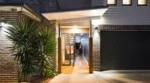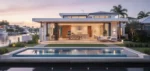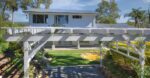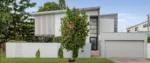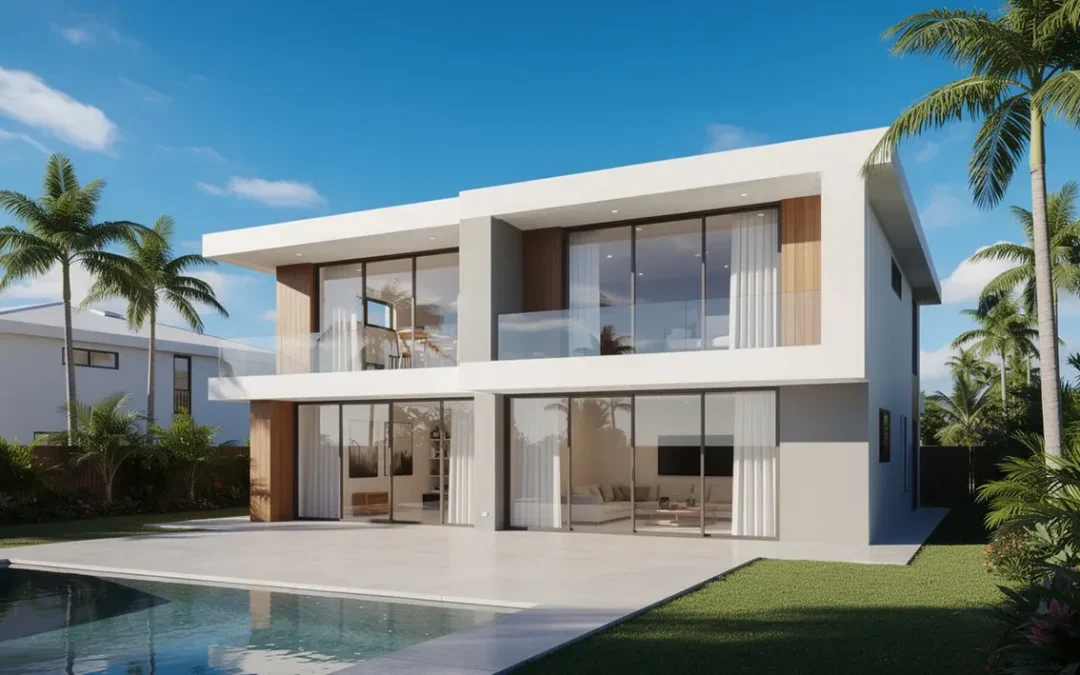
Kicking off your new house building plans in 2026, start here!
Risen Developments is a family-owned business that has been building homes on the Gold Coast since the mid-2000s. As a custom home builder, we work across the Gold Coast and northern NSW, helping homeowners from concept to completion and ensuring their dream home is exactly that.
This article is aimed at people planning to build or seriously renovate their home in 2026 & 2027 - we're talking budgets that range from $300,000 to $5m. Whether you've got a block of land in a new estate, an old house in a prime location that's in need of a makeover, or you want to transform your current home into something that really suits your next chapter in life, we'll take you through the key things to consider.
Our main areas of expertise include building custom homes, new blocks of land, major overhauls of your current home, house extensions, adding a second storey to your existing home, duplexes, and knockdown-rebuild projects. All of these paths have their own unique rhythm & considerations, but they all promise quality construction & honest communication.
The length of time it takes to build a house can vary between 9 and 24 months, depending on how complex things are. If you're looking at a basic single-storey home on a flat block in Pimpama, it might take 10-12 months once we start building. On the other hand, a two-storey beachfront build in Burleigh with tricky site conditions might take more like 18 months. If you're renovating in Kingscliff and need to do some structural work and deal with heritage rules, it's going to take longer than if you're just adding a new living area to your home in Mermaid Beach. Getting a handle on these realities upfront will help you plan your home build with clear expectations in place.
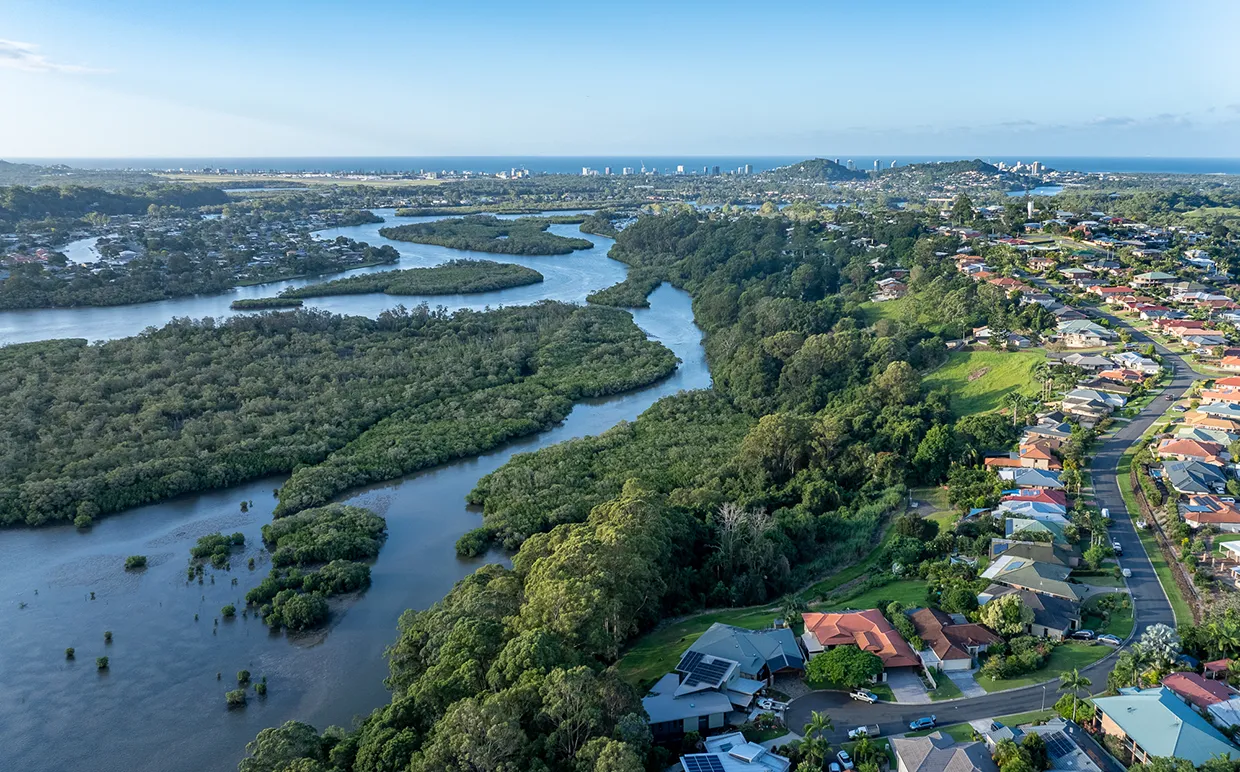
Why choose Risen Developments on the Gold Coast & Northern NSW?
Quality construction, open communication and detailed quoting are at the heart of what we do - not churning out hundreds of identical homes. We're not volume builders, pumping out the same old floor plans across loads of different sites. We focus on working with people who want their new home or renovation to be designed specifically for their block, budget and lifestyle.
We work across various regions, including Broadbeach Waters, Mermaid Beach, Palm Beach, Hope Island, Casuarina, Kingscliff and the whole of the Tweed Coast, which is handy because council rules, site conditions and even the character of different suburbs all vary a lot. Doing a build in Hope Island's canal estates will be different to building a house on a block with a big slope in Currumbin Valley - or a block right on the beach in Casuarina. (For Gold Coast Council or Tweed Shire, review their Planning consent.)
Our projects typically range from around $350k for a major renovation in Labrador to $3m or more for a beachfront knockdown-rebuild near Kingscliff. This means we're just as comfortable discussing budget-friendly options as we are high-end homes with all the bells & whistles.
What sets our pre-construction process apart is how thorough we are - before we even put a price on your project, we visit your site, check the engineering requirements, work out what inclusions you want, and make realistic allowances for any provisional work. This way, we can avoid unpleasant surprises when we're halfway through the build and discover that your budget didn't account for the retaining walls your block actually needs.
We focus on building one-off homes, not mass-producing standard plans. This means you can choose the layout, exterior style, interior finishes, and structural elements such as ceiling heights and window placement. Your home is designed around your needs, not the other way around.
We partner with local designers, architects, and consultants who know the ins and outs of Gold Coast City Council and Tweed Shire Council requirements. This network of experts helps speed up the approval process and makes sure your design is feasible from the start - not just a pretty idea.
What type of house project is right for you?
Choosing the right house build path depends on factors such as your land situation, budget, timeline & how important it is for you to stay in your current location. Each option has its own pros and cons, so here's how to think it through.
Knockdown and rebuild, aka building a new home on a bare block of land, is a great option for people in new estates, buying a block in a new development or with a larger established block. Starting from scratch gives you complete control over things like sun exposure, energy efficiency & room layout. Plus, you're not constrained by existing structures, which often means more straightforward construction and potentially lower cost per square metre than renovating an old home.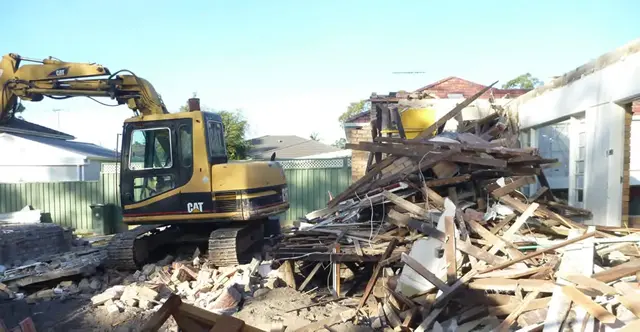 The knockdown rebuild project makes a whole lot of sense in established suburbs like Miami, Southport or Tugun - you love the location, but the house itself just isn't cutting it anymore. And the thing is, land in these areas is super scarce, so selling up to buy somewhere else means you're probably going to have to compromise on the position of the new place. A knockdown rebuild lets you build your forever home in a spot you already know and love - you can design it from scratch, and forget about finding a new spot that meets all your needs. This path does involve tearing the old place down (asbestos checks for older homes, of course), sorting out the site, and getting the council on board once more - but the end result is a shiny new home in a lovely established neighbourhood, with all the character and charm that comes with it.
Major renovations and home extensions suit owners of homes with a bit of character in them - places like Currumbin and Burleigh, for instance, where you want to keep bits of the old place, but give it a bit of a refresh. This might mean adding a new wing, reorganising the internal layout, or knocking through to improve the connection between the ground-floor spaces and the garden or pool area. Renovations can be a bit more complicated than a new build, because you're working around existing structures, but they can also preserve what you love about the old place while sorting out what didn't quite work.
Adding a second storey is a great option if you're stuck with a small block or want to preserve the garden or pool area. Places like Mermaid Waters and Elanora have many homes with a solid lower level, but limited room to expand outward. Adding up rather than out is a bit trickier - you need to get the existing slab and walls checked out to make sure they can take the extra weight - but it can really help to boost the living space without sacrificing any of the things you love about your yard.
Building a duplex is a great way to go if you're an investor or have extended family that needs a bit of space. It's all about making sure you get it right with the local council and planning ahead for any potential rental or co-living opportunities. Done well, a duplex can give you a bit of extra income, or provide space for family members to live in - and it's a great way to make the most of a well-located block.
The Risen house-building process in six easy stages
Every custom project is unique, but we follow a pretty standard process that's tailored to the Gold Coast and northern NSW - it's all about mirroring the usual Australian building stages, but with a bit of local flair.
Stage 1 – Design and feasibility (roughly 1-3 months)
We start with a chat where we get to know what you're after, your budget, and how quickly you want it done. We then head out to your site to see how it all sits, and get a feel for the slope, access, and any obvious challenges. We work with a local designer or architect to come up with some house designs that not only tick all your boxes, but also take into account the practicalities of building in our region.
Early on, we take a look at the build costs for the coming year (2026-2027) to make sure we're not going down a path that's going to blow the budget. We also flag up any issues that might affect the design or construction, like bushfire attack levels, coastal winds, or flood zones.
Stage 2 – Detailed planning, approvals, and fixed pricing (roughly 3-6 months)
Once we have a design we all love, we dive into the nitty-gritty - getting the development application sorted, doing the engineering drawings, soil testing, and energy assessments to make sure everything meets the requirements.
During this stage, we put together a detailed fixed-price or open-book quote that outlines exactly what's included - from the materials to the fixtures - so you can see exactly where your money is going. The idea is to get the pricing locked in before we start building, so we avoid any nasty budget surprises.
Stage 3 – Base and foundations stage (about 2-4 weeks for a typical house)
This is where your project starts to take shape - we rip out the old place if needed, sort out any site work, install retaining walls, get the footings in, and pour the concrete slab.
The Gold Coast tend to have relatively easy soil conditions for foundations, but the northern NSW sites can be a bit trickier. The good news is that we get the soil tested early on, so we can design the slab to make sure it's good to go for the life of the building.
Stage 4 – Frame and lock-up (about 2-4 months)
The frame stage is where things really start to take shape - we get the timber or steel framing up, the roof trusses are installed, and the external walls start to come together. We get the windows and doors fitted, and the external cladding or brickwork done so the place is weather-tight.
This is probably the most exciting phase of the project - you can finally walk through the space and get a feel for where everything is going to go. Once the lock-up is done, the structure is protected from the elements, and the internal trades can get on with their part of the job.
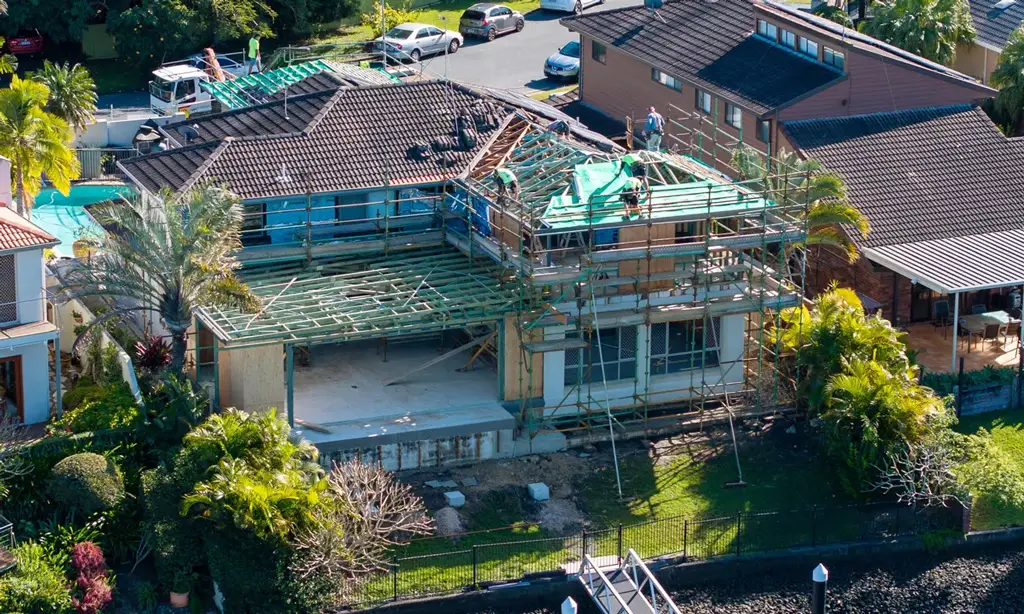
Stage 5 – Fixing and internal finishes (about 3-5 months)
At this stage, your house really starts to feel like a home - we get the internal linings in, the waterproofing sorted in the wet areas, the tiling and cabinetry fitted, and the painting and floor coverings done.This stage brings all the pieces together - from internal doors and skirting boards to shower screens and tapware - really making your house a home. When it comes to finishes in our area, coastal palettes with natural timber look fantastic, polished concrete floors are great for low maintenance living, and engineered oak flooring is perfect for handling humidity. The order in which we fit all these pieces together is important too, so we order materials and coordinate trades carefully to keep to schedule.
Stage 6 – Practical completion, handover and aftercare (approximately 2–6 weeks)
Practical completion marks the end of the building process. We conduct final inspections, sort out any defects that turned up during the walk-through and put together your handover pack with all the necessary certificates, warranties & maintenance information.
Handover is when we hand over the keys & you get to take possession of your brand new home. But our relationship with you doesn't end there - we provide ongoing post-handover support including a defined maintenance period where you can raise and track any issues that come up as you get settled in. This final payment milestone is the culmination of all the planning and construction that's gone on up to this point, but it's also the start of the rest of your life in your perfect home.
How much does it cost to build a house here in 2026?
Construction costs across Queensland and NSW went up a lot between 2021 and 2024 due to things like materials shortages, labour shortages and supply chain disruptions. But by the end of 2024 things started to settle down, even if they still were a bit higher than before the pandemic. And if you're relying on online calculators to give you an idea of what it's going to cost, that's probably going to give you a pretty unrealistic idea - you really need to get local quotes that are up to date.
For our region & the types of builds we do, realistic 2026 ballpark figures are around $2,800- $3,800 per metre for well-specified new builds on relatively flat sites with good access. But options such as architect-designed homes or coastal builds can start at $5,400+ per metre. And keep in mind these are just rough guidelines - actual costs will depend on loads of variables that are specific to your project.
Some of the major cost drivers we see include:
| Cost Factor | Impact |
|---|---|
| Site conditions | Sloping blocks requiring retaining walls, difficult access in tight streets, or reactive soils can add 10–25% to base costs. |
| Level of finishes | Standard vs high-end joinery, stone benchtops, premium appliances, and custom features significantly affect the budget. |
| Structural complexity | Cantilevers, high ceilings, large spans, and split-level designs require additional engineering and materials. |
| Regulatory requirements | Wind ratings, bushfire zones, or flood overlays may mandate specific construction methods at additional cost. |
Renovations and 2-storey additions are usually more expensive per metre than building from scratch. This is because of demolition costs, structural work to existing buildings and the complexity of working around existing services while keeping everyone safe & avoiding disruption during construction.
We really encourage clients to come to their first meetings with a clear total budget range in mind - whether that's $450K-$650K or $1.5M- $2M. Knowing your budget allows us to work with design decisions and financial realities from the get-go, rather than having to work through compromises later on.
Our detailed quotation approach breaks down exactly how the money is being spent. If budget starts to get tight, we can suggest design or material alternatives that keep the functionality & aesthetics of your home while also keeping costs under control - rather than just hacking back on quality.
Choosing design features that make sense for coastal living
Gold Coast and northern NSW homes have to be able to handle humidity, salt air, summer storms & intense sun. The smart way to design your home can both improve daily comfort and help your investment last longer over decades.
Orientation & glazing are key. Putting living areas where they can catch the ocean or hinterland breezes helps reduce the need for air conditioning. Eaves and external shading control summer sun while letting in winter light. With the recent updates to the National Construction Code (NCC), we need to balance thermal performance with energy efficiency - but there are ways to get both good views & good comfort.
Material choices are critical in coastal environments. Window frames have to resist corrosion from salt air. Roofing materials need to handle intense UV & the occasional hail. External cladding and fixings need to be rated for marine exposure. Don't try to save a buck here - using materials that are made to last and installed properly means you won't have costly maintenance surprises down the track.
Layouts that work well for local lifestyles include open-plan living that seamlessly opens onto outdoor entertaining spaces (which is essential for our region), separate guest suites for visiting family & zones that accommodate multi-generational living. A small Palm Beach block might prioritise a central courtyard for light & airflow, while a wider Casuarina block could spread single-storey living across landscaped grounds.
Energy efficiency & sustainability aren't just compliance requirements - they make long-term sense as cost savers. Quality insulation, cross-ventilation design, ceiling fans, solar PV & water tanks all reduce ongoing running costs while keeping your home comfortable. Building an energy-efficient home from the start is far more cost-effective than retrofitting later.
Planning your house build timeline
Typically, here on the Gold Coast and Northern New South Wales, the overall timeframe for building a custom home from start to finish is usually anywhere from 9 to 18 months. This can stretch out to 12 to 24 months if you're after a truly bespoke home or have a really complex renovation project on your hands. These aren't just random numbers - they reflect the realities of designing and building a home in the region.
There are a few key factors that can play havoc with your timeline - the level of custom design work, how quickly your local council and certifier get their approvals sorted out, site complexity, how fast you're able to make decisions during the build, and of course, any weather events that might pop up - like a summer storm or a flood.
As a rough guide, here's what you can expect for each stage of the build:
- Design and approvals: 4 to 9 months
- Pre-construction (contracts, working drawings): 1 to 2 months
- Site works and base stage: 2 to 6 weeks
- Frame and lock-up: 2 to 4 months
- Fixing and fit out: 3 to 5 months
- Practical completion and handover: 2 to 6 weeks
Some things you can do to avoid delays include finalising all your selections before you start building, avoiding any last minute design changes that'll need re-engineering, making sure to get back to us as soon as possible with any queries or sign offs, and getting all your finance and land settlement sorted out as early as you can, so we can start building without waiting around for other parties to get on board.
Not every delay is avoidable, of course - supply chain issues, bad weather, and any unexpected site conditions are all just part of the game. But what we do is keep things on track with clear scheduling, regular site updates and milestone meetings as standard.
🏡 Common questions about building with Risen
Do you offer house-and-land packages?
We tend to focus on custom builds on land that you already own or are in the process of purchasing - that's where our expertise in individually designed homes can add the most value. We're not a volume builder churning out house and land package developments, but if you're on the hunt for land in a particular area, we can help you out by connecting with local agents or developers to find a block that fits your build and budget.
How customisable are your homes compared to the display homes I’ve seen?
With us, you're not stuck with a pre-designed home design from a set of limited options - almost every aspect of our homes can be tailored to fit your style and budget within structural and budget constraints. That includes things like room sizes, ceiling heights, window placements, facade style, internal layouts and finishes throughout. We don't have a display home to walk through, but we can share photos of completed projects, discuss specific design approaches, and connect you with past clients who are happy to share their experiences.
Can I visit the site during construction?
You can, but there are a few conditions that need to be met - construction sites have safety regulations that need to be followed after all. We'll arrange a visit with one of our supervisors, but only if we can do so in advance. We usually schedule these visits at key milestones - like after the slab pour, at lock-up, and during the fixing stage - but we can fit in an extra visit if you let us know a couple of days in advance. You'll need to wear closed-toe shoes, and we'll provide a hard hat. It's one of the most exciting parts of the build: watching your home come together.
What about building on challenging or sloping sites?
If you're looking to build on a block in Currumbin Valley, Terranora, or other challenging areas in Northern NSW, we'll need to conduct a preliminary engineering assessment to ensure the site is safe for construction. Sometimes that means extra work for cut and fill, retaining walls - and unfortunately, that can add some extra cost. But on the flip side, those sorts of sites can often offer some really unique design opportunities - like having a home that takes advantage of the views, or creates an interesting split-level layout.
What warranties and aftercare do you provide?
In Queensland, residential building work is covered by a bunch of statutory warranties, including a structural warranty period and a defect liability period after the handover. We comply with all Queensland Building and Construction Commission requirements and ensure you receive all required documentation when we hand over the keys. After the build is complete, you have a clear timeframe to report any issues, and we have a system in place to track and address them. If you're in NSW, equivalent Home Building Compensation Fund coverage applies - either way, we're around to answer any questions and provide support long after the handover
Next steps: turning your ideas into a buildable plan
So you've read this far, and you're serious about building - that's great! The next step is to start turning your ideas into a real, buildable plan - and that starts with a conversation.
Whether you've just started researching or you have existing plans ready for pricing, we're happy to discuss your project. The first meeting is a great chance to bring along:
- Site address or contract details for the land you're buying.
- A basic survey if you've got one.
- Some inspirational photos to show us what you like.
- A rough budget range (even just a rough idea is helpful.
- Any timeline drivers you might have, such as wanting to be in by Christmas 2026? In the first few weeks after you make contact with us - whether thats on the phone, via email or in person - you can likely expect to have a visit to the site, a bit of a chat to discuss how viable your project is and whether our budget and your budget are going to align, an outline of the likely hoops you'll need to jump through to get the project approved, and a rough idea of what the timeline might look like with some major milestones highlighted.
When you're shopping around for a builder, don't just grab the cheapest one - look a bit deeper at the fine print in each quote and ask yourself what's included, what's going to be extra and what the builder is reserving the right to charge more for. It's also worth asking about their build quality, how well they communicate with you throughout the build, and their approach to bespoke projects rather than producing a production-line home. - and to be honest, the quote that looks the cheapest often comes with the highest cost down the line - variations, delays, and a home that just doesn't meet your expectations can be a real nightmare.
At Risen Developments, we work with people on the Gold Coast and in northern New South Wales to design and build custom homes, renovate and extend existing homes, add a second storey, build a duplex, or even knock one down and start from scratch. We probably aren’t the right fit for every project out there - but if you value your home being built by a team that takes pride in their work, communicates clearly, and treats your property with the care and respect you would yourself, then we'd love to have a chat about your project and see if we might be the right team for you.
Building a home is a massive investment for most families in Australia - and finding the right builder, one who listens, understands your vision, has a feel for your budget and your location, can be the difference between a house that you love and one that feels like a compromise. Give us a yell on 0404 736 688 or contact us online, and let's start the conversation about making your dream home a reality.