Thinking of embarking on a major home renovation on the Gold Coast or Northern NSW? Whether you're looking to add a second storey, expand your ground floor, or give your interior a complete makeover, this guide will guide you through the entire process - from initial concept to handover.
Introduction: Renovating Your Home on the Gold Coast & Northern NSW with Risen Developments
At Risen Developments, we're a family-owned, award-winning builder with a reputation for delivering top-notch renovations, extensions and second-storey additions on the Gold Coast. Our typical project budgets range from around $300,000 to $5 million, and our team has decades of experience working across Queensland and Northern NSW.
So, when does a renovation make more sense than a knock-down rebuild? Renovating is often the way to go when your existing home has a solid foundation - like many 80s Gold Coast brick homes. Renovating can save you 20-40% of the cost of demolition. But in cases where your foundations are severely compromised, a knock-down rebuild might be the better option - but it can add $200,000 to $500,000 to the bill. We service all the major suburbs on the Gold Coast, including Burleigh Heads, Robina, Palm Beach, Miami, Tweed Heads, Banora Point and the Northern Rivers - Tweed Heads.
The subtropical coastal climate we're lucky enough to live in brings its own unique set of challenges - from high humidity all year round to cyclone risks and flood concerns near waterways like the Nerang River. With material costs stabilised at around 10-15% above 2023 levels in the 2025-2026 construction environment, and timelines for major renovations spanning 8-14 months from design to handover, this guide offers practical, step-by-step advice from our on-site experience.
The Renovation Process: From Concept to Completed Home
There are four key stages to renovations and additions, and these stages often involve working with a range of different experts. Home renovations can be broadly categorised into cosmetic, structural, high-impact and exterior improvements, depending on their scope, purpose and potential impact on property value.
The Four Stages:
- Research & Feasibility (4-8 weeks)
- Design & Approvals (6-16 weeks)
- Detailed Pricing & Contracts (2-4 weeks)
- Construction & Handover (4-8 months)
For large-scale renovations, it's essential to assemble an integrated team including a building designer, structural engineer, interior designer, certifier and a builder with renovation experience. For minor cosmetic works, DIY might be an option, but structural changes must always be carried out by licensed professionals in line with QLD and NSW legislation. Establishing a realistic timeline for renovations should also include a buffer for unexpected delays and disruptions.
Stage 1: Research, Lifestyle Goals & Feasibility
Renovation success relies heavily on early and thorough planning to match your vision with your budget and timeline. Some effective strategies for home renovation include defining clear goals, doing a thorough assessment of your home and hiring the right specialists.
- Clarify what you're after from your renovation: do you need more space for the kids, or are you looking to create a home office or shift your home to accommodate an ageing family member?
- Take a walk through every room and note what works and what doesn't - think about storage, natural light, ventilation, privacy, noise and views.
- Check for any site constraints - like bushfire overlays, flood zones, height limits, easements or setbacks.
- Get in touch with us early on for a free on-site feasibility meeting to work out what's realistic within your budget
Before starting renovations, it's advisable to conduct a SWOT analysis of your current home to find cost-effective improvements
Example SWOT for an 80s Gold Coast brick house
Step 01
Strengths
- Solid concrete slab, plenty of room on the block
Step 02
Weakness
- Dark throughout, small windows
Step 03
Opportunities
- Open-plan living, a larger deck
Step 04
Threats
- Flood overlay, outdated wiring
Stage 2: Design, Documentation & Approvals
Collaboration between homeowner, builder and designer is key to creating a design that really works in the Gold Coast climate - think orienting living areas to get the most out of the sun and the breeze. Professional designers can offer valuable insights and expertise to create sustainable renovations that boost energy efficiency and functionality.
Design development typically takes 6-16 weeks. You'll need a number of key documents before you can move on to the pricing stage, including detailed floor plans, elevations, structural engineering, energy reports (targeting 7-8-star NatHERS), and material specifications.
The key documents before you start pricing: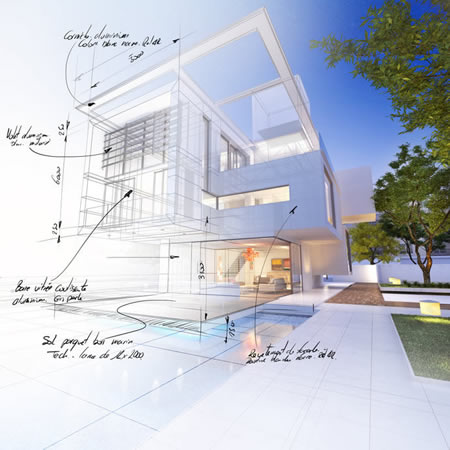
- Detailed floor plans (1:100 scale)
- Elevations showing ceiling heights
- Structural engineering calculations
- Energy efficiency report
- Shadow diagrams, if required
NSW uses Development Approval followed by Construction Certificate, while QLD uses Planning Approval followed by Building Approval. For most residential renovations on standard lots, a private certifier will do the job. Build sustainability into your project from the start - think about things like shading, insulation, cross-ventilation, solar power and high-performance glazing. Finalise major layout decisions at this stage - don't leave it until construction is underway.
Stage 3: Detailed Pricing & Building Contract.
Before planning any Gold Coast home renovations, do your homework and find out how much it'll cost to make the improvements, upgrades & additions you're thinking of. It's a good idea to get a rough sense of how much builders will charge for each stage of the renovation, so you can see whether it fits within your budget and meets your needs. Builders' quotes rarely come down in price - they often go up - so you need to be prepared for that.
A good quote should give you a clear breakdown of what's going to be involved - structural changes, demolition costs, upgrading the service lines (electrical, plumbing), and setting aside some money for unknowns or things you haven't figured out yet. You should also be upfront with your builder about what you can realistically afford (e.g., $ 500k–$700k) so they can sort out the specifications.
A rough guide to budgeting for a home renovation is to set aside 50-70% for the build itself, 10-15% for new appliances and furniture, and 2-5% for council permits. When planning your budget, you should also be prepared for the unexpected and have a 10-20% contingency fund in place, especially if you're dealing with an older house.
There are a few different types of contracts to consider, like fixed-price contracts with the HIA or Master Builders for projects over $300k. Whatever contract you choose, make sure your builder has all the necessary insurance and warranties sorted before they start work.
Stage 4: Construction & Handover
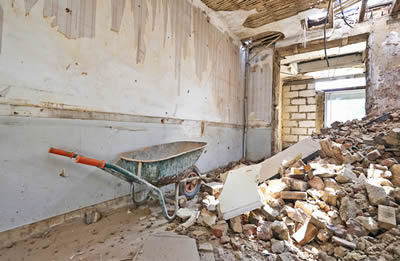 When you're dealing with major renovations or second-storey additions, you'll often have to move out of the house while the structural work is being done. To make this process as smooth as possible, you need to have clear lines of communication with your contractors - they can help prevent misunderstandings and keep things running on track.
Risen's approach to project management is pretty straightforward - we have one primary site supervisor, regular site meetings, written updates via app, and a clear schedule with milestones to work towards. We also deal with any variations (changes to the original plan) in writing, so you know exactly how it's going to affect the budget and timeline.
Once the work is done, we'll get the necessary certifications and hand over all the relevant documents, including warranties and manuals. We also have a 3-12 month defect liability period to sort out any minor issues that may arise.
Choosing the Right Renovation Builder
When it comes to choosing a builder for your renovation, you need to think about the complexity of the work involved. Renovations are often more complicated than new builds, because they involve tying into existing structures and services. You need a builder who's experienced and can handle the job to ensure the work meets all the local building codes and regulations.
What to look for in a builder:
- They should have extensive experience with projects in the $ 300k–$5 m range.
- They should have a portfolio of similar work (at least 15 major renovations in the last 3 years).
- They should have a clear, open communication style and realistic timelines.
- They should have a QBCC Class C licence and $20m+ public liability insurance.
- They should be willing to give you recent client references.
If you're dealing with a large and complex renovation, it's a good idea to find a licensed builder who can manage the construction and hire the right tradespeople for the job. Risen has extensive experience in this area and a process tailored to existing homes. Not sure how to choose a quality builder? Review our article on "Choosing the Right Builder for your next Renovation project."
Questions to Ask a Prospective Builder
- How many major renovations or second-storey additions have you done in the Gold Coast/Tweed area in the last 3 years?
- Who will be looking after your job day-to-day, and what's their experience?
- How do you handle unexpected problems inside existing walls and roofs?
- What's your approach to energy efficiency and making the house last in coastal areas (salt air corrosion, wind loads)?
- Can you give me 2-3 contactable clients who've done a similar project?
- Can you show me a sample construction schedule and an inclusion list?
- What are your QBCC licence and insurance details?
- How do you handle variations, and what's your average variation percentage?
- Do you take care of certifier and engineer submissions?
- What's your policy on moving out of the house during structural work?
Budgeting & Costs for Major Renovations
Every house is different, but here are some rough estimates for the Gold Coast/Northern NSW in 2025-2026:
| Project Type | Budget Range |
| Large internal renovation | From $300k |
| Ground-floor extension | $350k-$800k |
| Second-storey addition | $450k-$1.2m+ |
| Whole-home transformation | $800k-$3m+ |
Some of the key things that can drive up the cost of your renovation include site access, structural complexity, the number of wet areas, how high-end you want to go with the finishes, and whether you have to deal with coastal engineering issues. If you're able to move out of the house during the renovation, that'll be a big help too.
High-impact areas like kitchens and bathrooms are usually a good investment, because they can recoup 60-80% of their renovation costs. Wet area renovations are often the most scrutinised by potential buyers and offer the highest return on investment.
Don't prioritise purely cosmetic upgrades over things like structure, weather-tightness, and thermal comfort - these are the things that really matter in the long run. And don't forget to look after your long-term value items, like insulation, windows, and service upgrades, before spending money on optional extras.
Hidden Costs to Watch Out For
- If your house was built before 1990, it's probably got asbestos in it, and there are specific rules about who can safely remove and dispose of it (removal costs $5k-$50k).
- Termite damage is a big problem in older Gold Coast properties - it can cost $10k-$100k to fix.
- When you're looking at getting your home renovated, you might have to bite the bullet and spend some serious cash on foundation upgrades that could set you back up to $50,000 (Gold Coast/Northern NSW in 2025-2026).
- If you've got non-compliant wiring or plumbing, you'll probably need to rip it all out and start again - that's going to cost you at least $15,000.
- Water getting into your house is a real nightmare, and if it's coming in through the walls, you might need to re-clad the whole building.
- You should definitely do some building and pest inspections, and ideally get some selective demolition done early on in the design phase to avoid any nasty surprises.
- Depending on the state of the services, you might need to do some upgrades to the switchboard, sewer, and stormwater systems - and that could be a requirement by the authorities.
Financing Your Renovation
People in Australia have a few options for financing their renovations: construction loans with progress draws, releasing equity from their current home, or refinancing to free up cash for the renovation. Get in-principle pre-approval before you go too far with the design, so you know you can afford the scope of the work.
When you're working out your budget, don't forget there are all sorts of incentives out there to help you save on energy and water, improve efficiency, and install sustainable products and tech in your home.
Tips for talking to lenders:
- Try to get your progress payments lined up with your builder's claims.
- Ask for super-detailed staged cost documentation from your lender.
- Get it clear what the LVR limits are (that's typically around 80%).
Risen is pretty good at providing detailed quotes that the banks love to see when you're applying for a loan.
Approvals, Compliance & Certification
Most councils have rules in place that say you can do some minor renovations without needing to get approval from them. But, just to be safe, it's always best to check.
Types of work that need approval:
- If you're removing structural walls
- If you're doing a second-storey addition
- If you're extending over 10 sqm
- If you're doing a major deck addition
- If you're changing the plumbing, drainage, gas, or electrical systems
Different types of renovations require different approvals, and some require inspections by the relevant authorities, such as changes to your services. There are also things like heritage overlays in some areas, bushfire reports in the bush, and flood reports near waterways to think about.
Risen can and do coordinate the consultants and get all the necessary approvals sorted for you. And trust us, having all your ducks in a row will save you a whole heap of hassle later on.
Inspections & Final Certification
There are some inspections you've just got to do - footing/slab, frame, waterproofing, pre-sheet, and final. And then your private certifier or council will sign off, confirming that your renovation meets the Building Code of Australia. And, once it's all done, you'll get your final certificates, your manuals and warranties, and your as-built plans - all of which you should keep on file for future resale or insurance.
DIY vs Professional: Knowing Your Limits
Now, if you've just got some cosmetic changes in mind - a bit of painting, some landscaping, a new storage system - then you're probably okay to do that yourself. But when you're talking about structural work, you've just gotta get a licensed professional in.
Waterproofing, electrical, gas, and most plumbing in QLD and NSW need to be done by a licensed tradie - and if you don't, you could end up with a raft of problems, including unseen structural issues, voided warranties, insurance headaches, and poor energy performance.
| Approach | Pros | Cons |
| DIY | Save some cash (30-50%), have more control | Time-consuming, error risk |
| Professional | Get compliance, warranty, and efficiency | Cost more |
But here's the thing - a hybrid approach works too: get a licensed builder like Risen to sort out the structural work, and then you can do some of the non-essential finishing work yourself - under their guidance.
When a Licensed Renovation Builder Is ESSENTIAL
- If you're adding a second storey in Burleigh Heads, you'll need to get the foundation assessed and get some steel beams in - that's some serious structural work.
- If you're combining two small bedrooms into one big one, you'll need a structural beam to do it.
- If you're extending an old cottage in Palm Beach towards the rear boundary, you'll need to get some setback compliance sorted.
- Engineering, temporary propping, weather protection, and all that other technical stuff are way beyond general DIY skills.
- Lenders and insurers expect major works to be done by licensed builders with proper contracts.
Design Ideas For Major Renovations & Second-Storey Additions
You've got a lot of scope for renewal with 70s-90s brick homes, single-storey beach shacks, and old two-storey places with dodgy outdoor spaces. And when it comes to kitchen and bathroom renovations, it's all about functionality and aesthetics - making those spaces feel modern and inviting.
Design around the orientation, breezes, and views of your place, rather than just copying an existing layout. And don't be afraid to think outside the box - like moving your living areas upstairs for ocean views in places like Miami or Currumbin.
Ground-Floor Extensions & Open-Plan Living
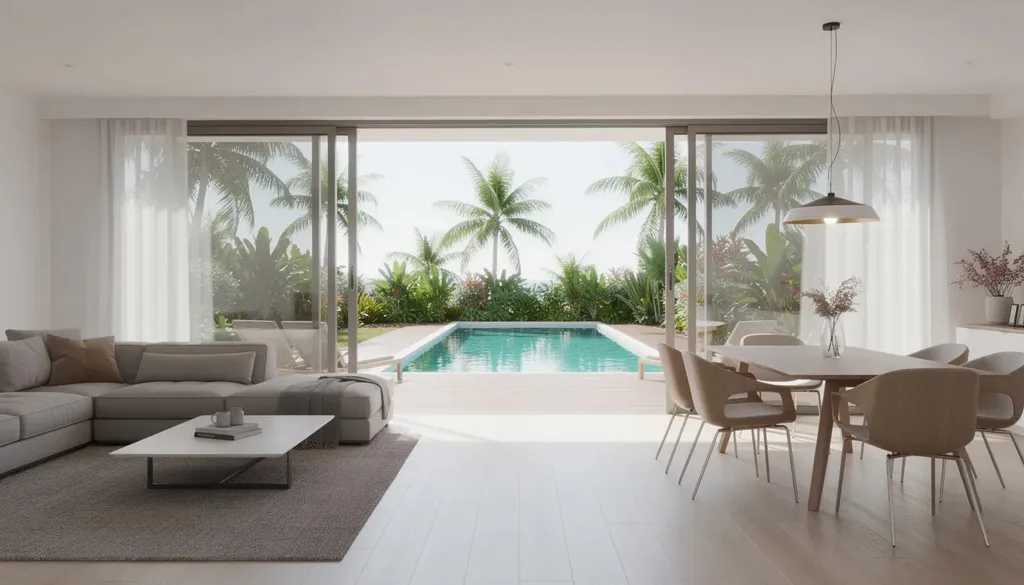
Taking the walls out and going open-plan is a pretty popular move in suburbs like Robina, Helensvale, and Banora Point. It's a great way to turn a dark, segmented space into a light, airy one that suits modern living.
Key design features:
- Stacking or sliding doors (for big spans).
- Higher ceilings (2.7 to 3m).
- Skylights to bring in more natural light.
- Integrated outdoor kitchens.
- A walk-in pantry, mud room, or study nook. Orient your living spaces north, if you can, and toss up some shading over your west-facing windows to make life a lot more comfortable.
Second Storey Additions: Building Up, Not Out
- 2-storey additions are super common on the Gold Coast, especially when you've got a small block, a yard or pool you don't want to lose, and you're after a great spot to take in the views.
- The usual suspects when it comes to inclusions are a main bedroom suite with a balcony, a few extra bedrooms, maybe a retreat or rumpus room, and a home office.
- Now, before you start tearing the roof off, make sure you check out the foundations and walls of your place to see if it needs any structural beefing up - you don't want a steel beam popping up out of nowhere and causing a headache.
- Like, I've seen people convert the old bedrooms into a big open plan living space downstairs and turn the upstairs into a parents' retreat - the kids love that.
- We've done hundreds of second-storey additions at Risen, and one of the things we always say is - get a good structural assessment done early on, it's a big time saver in the long run.
Outdoor Living, Decks & Coastal Entertaining
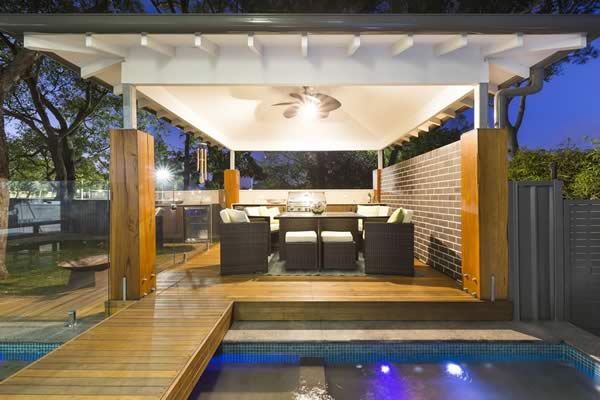 There's heaps of value in giving your outdoor living space a bit of a makeover. Building a deck or patio can add some serious square footage to the place, and with the right design, you can make the most of the outdoors, even on the worst days. The Gold Coast crowd is all about big covered decks with outdoor kitchens and seamless transitions from inside to out.
When you're picking materials for the job, choose ones that are durable enough to withstand the marine environment - composite decking, marine-grade stainless steel fixtures and the right timber treatments are all good places to start. And while you're at it, throw in some pergolas, operable louvres and ceiling fans to keep things comfortable all year round.
Energy Efficiency, Comfort & Modern Upgrades
These are the things you should be thinking about whenever you're opening up walls, floors or roofs, because retrofitting them later is just gonna cost you more in the long run. The benefits of doing it now are pretty clear: lower power bills (we're talking up to 30% off), more comfortable living, quieter homes, and a better resale price. That's the kind of money for nothing you can't get enough of.
Insulation & Building Envelope
Improving your home's thermal performance is all about adding some decent insulation where you can get to it - that's the roof, walls and floor areas. It does the trick, keeping your place nice and toasty in winter and cool in summer.
- If you're in the Gold Coast, aim for a minimum of R4.0 for your walls - it'll pay for itself over time.
- Make sure you replace dodgy insulation and get downlights that are rated for the job.
- Don't forget to seal up any gaps around pipes and wiring while you're at it.
Windows, Glazing & Shading
- Streamline your window sizes to get more light and breezes into the place without getting too much heat.
- If you've got big east/west-facing windows, get some high-performance glazing in there (low-E or double glazing).
- External shading solutions like awnings, eaves (get them in at 900mm+, it makes a difference), screens, and adjustable louvres will help keep the heat out.
- Don't rely on internal blinds to save you - external shading is where it's at.
Ventilation, Fans & Air Movement
- Get the most out of those coastal breezes by opening up your place in a way that lets the wind flow through - that's cross ventilation, mate.
- Install ceiling fans in every living space and bedroom - they're cheap, and they work a treat
- Get some air rising up from the lower levels and out the top of your place by putting high-level windows or a stair void in - that's how you keep the heat out.
- Consider getting some roof-space ventilation set up to cut back on the need for air conditioning.
Draught Sealing & Thermal Mass
- Plug all those gaps around doors and windows with some decent weather sealing - you'll save energy and keep the cold out in winter and the heat in summer.
- Upgrade the weather seals on your doors and make sure your new windows are fitted properly.
- Combine good shading with concrete slabs and masonry walls, and you'll get a nice steady temperature all year round.
- If you can get away with it, polished concrete or tiled floors in living areas will help keep the heat in and the cold out.
Technology, Appliances & Smart Home Systems
- When you're renovating, why not chuck in some energy-efficient tech and appliances while you're at it? That LED lighting and high-efficiency heating and cooling systems will save you a pretty penny.
- At the same time, you can get a solar PV and battery set-up so you're ready to roll when the technology becomes more affordable.
- Whilst the walls are open, chuck in some wiring for data, power points and security so you're ready for the future.
- Make sure the appliances you choose are ones that have been rated for energy and water use in this country.
Water Efficiency & Outdoor Sustainability
- Upgrade to water-efficient taps, showers and toilets (anything 4-star or better will save you 30% of your water use).
- Install a rainwater tank (5-10,000L) and plumbed into toilets, laundry, or irrigation - it's a real money-saver in the long run.
- Go for drought-tolerant plants in your landscaping, and throw in some permeable paving to stop all that water from going down the drain.
- When you're renovating, integrate your stormwater management system so it works together in harmony.
Space Planning, Functionality & Future-Proofing
Ripping up the old carpet and having a good look at how you actually use your space is one of the best things you can do when you're renovating. It's a chance to rethink what every square metre is for, not just add more space. Plan for the next 10-15 years - are there any changes coming down the pipe? Kids growing up, potential home business, aging parents or eventual resale? Create flexible spaces that can change function - guest room/home office, rumpus/media room or teen retreat - the possibilities are endless.
Zoning, Sleeping, Working & Living Areas
- Group the noisy stuff away from bedrooms - separate the kids' zone from adults' space.
- Just a tip: downstairs open plan living with the kids' bedrooms upstairs might be the way to go - and a parents' retreat with a balcony on the top level.
- When you're adding a second level, make sure the bathrooms and laundry are in a good spot for plumbing and efficiency.
- Thinner hallways, smart storage, and plenty of natural light will make your space feel like more without adding heaps of extra floor space.
Aging-in-Place & Multigenerational Living
 A ground-floor bedroom with a wide doorway (at least 900mm), step-free entry and a shower with grab rails is the perfect spot for mum and dad to have a bit of independence.
- Make sure the entire place is set up to be age-in-place friendly - don't forget to throw in a few handrails and a bit of extra lighting here and there* Space for future lifts or stairlifts in two-story homes, so you can age-in-place in confidence.
- Separate areas for adult kids or elderly parents (think self-contained suite over the garage) where they can enjoy their independence.
- Soundproofing between the generations - we mean the kind that really makes a difference via wall and ceiling insulation.
- All these features do two things: they open up your potential buyer pool and give you a serious boost when you go to sell.

Unsure what's possible with multi-generational renovation? Please review our article.
Working with Risen Developments

Craig Preston, Master builder
We're the guys who specialise in the big Gold Coast home renovations, major extensions, and second-storey additions on the Gold Coast and up to Northern NSW - talk about a specific niche right there. Budgets typically sit anywhere from $300K to $5 million. One thing we've picked up on so far is that if your home renovation strategy in 2026 includes getting everything in order, chatting to a few pros, and then focusing on the things that will have the biggest impact, then, well - we do all that on every project.
Our whole process usually kicks off with an initial chat, then we get into feasibility, design, a detailed quote and all that jazz, followed by the actual build and eventual handover of the keys. Family-owned, award-winning and all that - we only ever take on a small handful of projects at any one time, so we can keep the quality up and actually have the owners on-site to keep an eye on things.
One fella we worked with recently told us: "Risen took our dingy old 80s home and turned it into a real haven for the family". Another client shared: "The second-storey job we did went down like clockwork - finished on time and in budget, and just having those views of the coast has made all the difference for our family".
Ready to figure out what's possible with your own home? Let's sit down and talk about it. We've got a decent bit of lead time (usually 3-6 months) before we can crack on with the build, so to avoid any delays, the best time to start planning is sooner rather than later.